Another look, earlier
Don’t keep treating wounds that have stopped healing. A virtual evaluation answers the question in days.
CWS is the go-to for a stalled wound. We meet patients virtually, wherever they are, then deliver advanced surgical care in our own ambulatory surgical center when it is appropriate. A virtual consultation, and surgery when the wound needs it, without the wait.
Coverage changes and reimbursement cuts have thinned the options for patients whose wounds have stopped healing. When a wound has been treated for a while with no measurable progress, the answer is not another dressing. It is a second opinion from a surgical wound specialist, and CWS was built to bridge that gap.
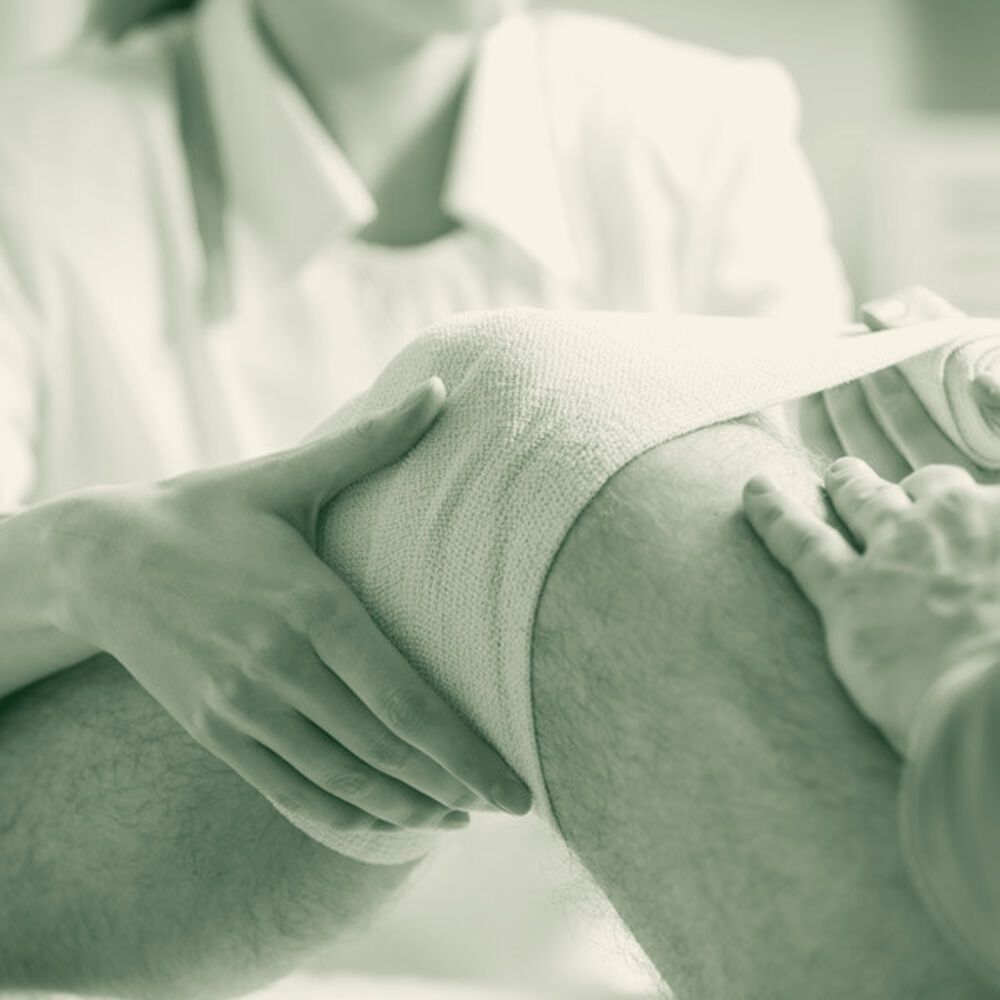
CWS doesn’t replace the care team. We extend it: with surgical decision-making, virtual access, and an ambulatory setting built for same-day recovery when intervention is appropriate.
Board-certified, wound-certified surgical specialists who evaluate complex wounds and determine whether intervention may be appropriate. Evaluation first, always.
Providers and families reach surgical wound expertise virtually, usually within days. Wound history, imaging, and photos reviewed before anyone travels anywhere.
Our own ambulatory surgical center sits sixty feet from the clinic. When surgery is the right call, it happens without an unnecessary hospital stay.
These indicators suggest a wound may deserve surgical evaluation. Any one of them is reason enough to ask the question.
A wound that is no longer progressing deserves another level of evaluation.
Request a Surgical Evaluation →When intervention is appropriate, it happens at Capital Surgical Center: the CWS ambulatory surgical center, sixty feet from the clinic. A real OR, not a procedure room with extra labels: sterile surgical environment, anesthesia support, imaging, and specialized equipment.
Patients arrive in the morning and recover at home the same day when clinically appropriate. The only DC wound practice with its own ambulatory surgical suite, and it exists to make the pathway shorter.
Inside the surgical center →


CWS works alongside the providers already caring for the patient, and the patient goes back to them.
Don’t keep treating wounds that have stopped healing. A virtual evaluation answers the question in days.
Keep patients in place whenever appropriate. Evaluation, intervention, and return, with notes after every encounter.
Earlier evaluation. Appropriate intervention. Continuity of care, back in the resident’s own environment.
Help reduce avoidable admissions when clinically appropriate, with an ambulatory surgical pathway for stalled wounds.
Three written commitments to every referring partner: intake in seven days or less, a structured note after every encounter, and same-day recovery without a hospital stay when a procedure is appropriate.
How we work with providers →Earlier evaluation can help patients access the right level of care before complications become more severe.
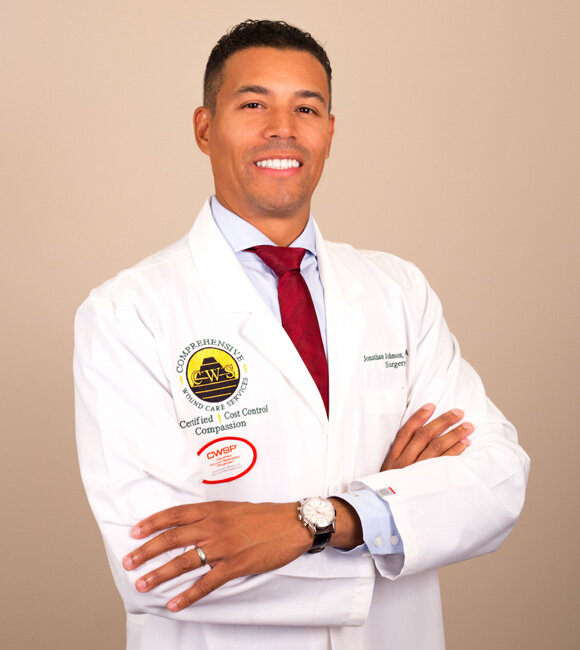
The surgeon who evaluates the wound is the surgeon who operates when intervention is appropriate, and who follows the healing after.
In plain language: it isn’t getting smaller. It keeps reopening. Bone or tendon is visible. It keeps getting infected. It has been months. It stops you walking or sitting. It’s getting worse even though you’re following the treatment plan.
Our residents used to wait weeks to get in front of a wound specialist. Now we have same-week access to the clinic and the surgeon. The continuity is night and day.
What we needed was one call, one team, and a clean note back. We got all three. Our ED transfers for wound infections dropped noticeably in the first quarter.
My mother’s surgery was done in their own surgical center, not a hospital. Home that afternoon. The same surgeon she’d already met. I can’t overstate how much that mattered.
One question is enough to start: “Should I have this evaluated by a surgical wound specialist?”
Information for patients → Dr. Wounds™ Direct Wound Care™
Expert wound care, wherever you are, for patients, providers & facilities
Dr. Wounds™ Direct Wound Care™
Expert wound care, wherever you are, for patients, providers & facilities
Book a virtual consultation, and move straight to surgical care when the wound needs it. Whether you’re a patient, a family member, or the provider already managing the wound, protecting quality of life starts with one conversation.